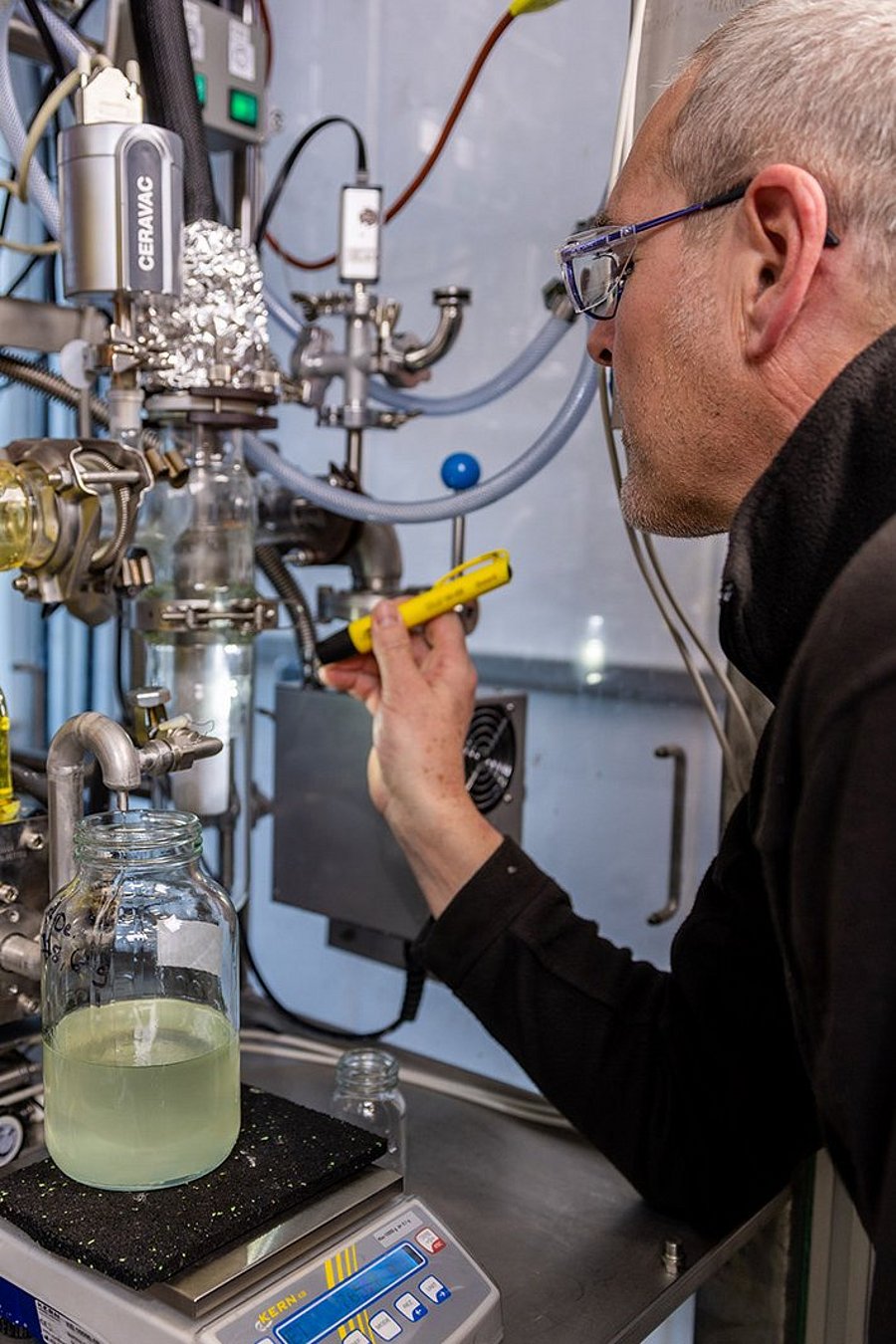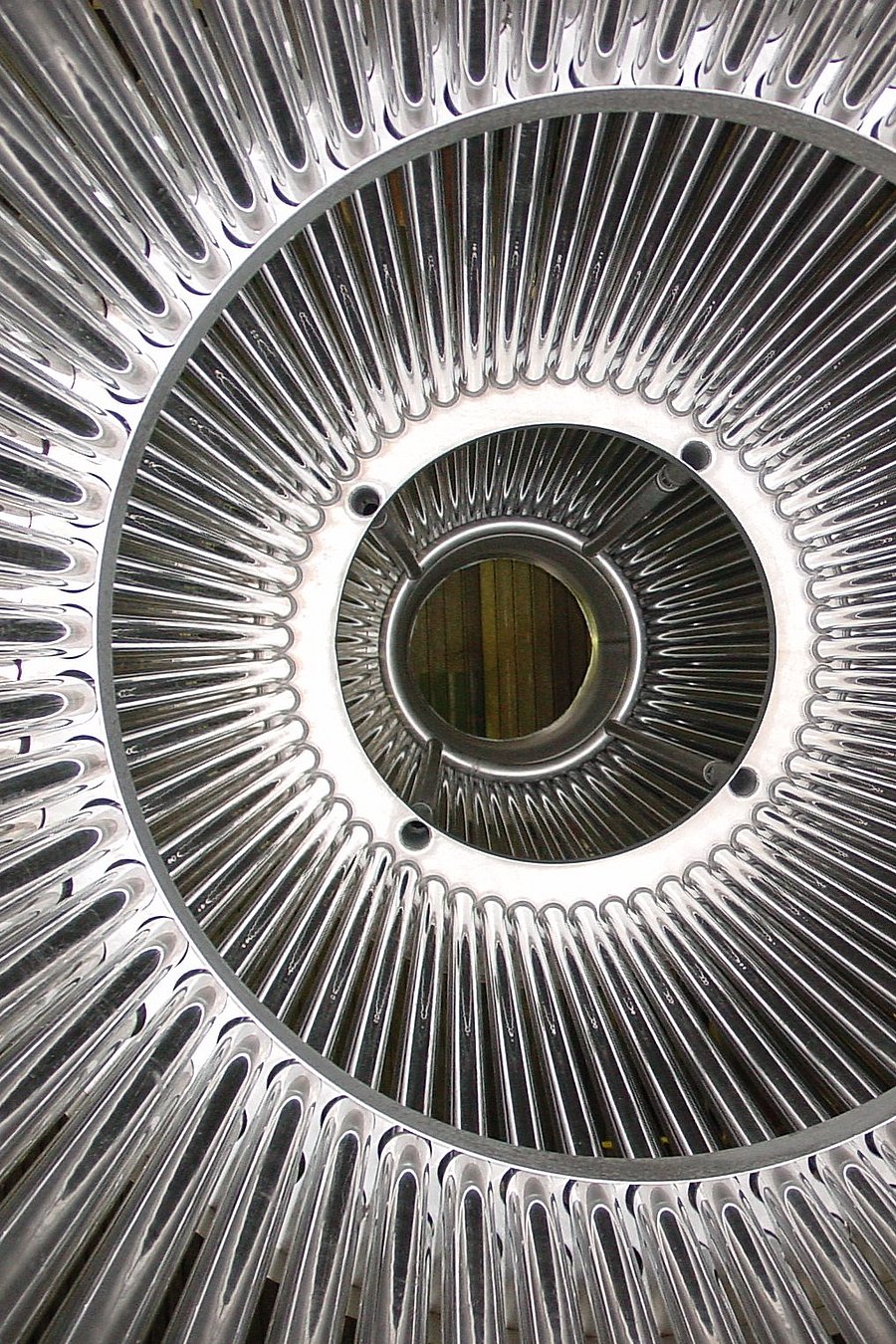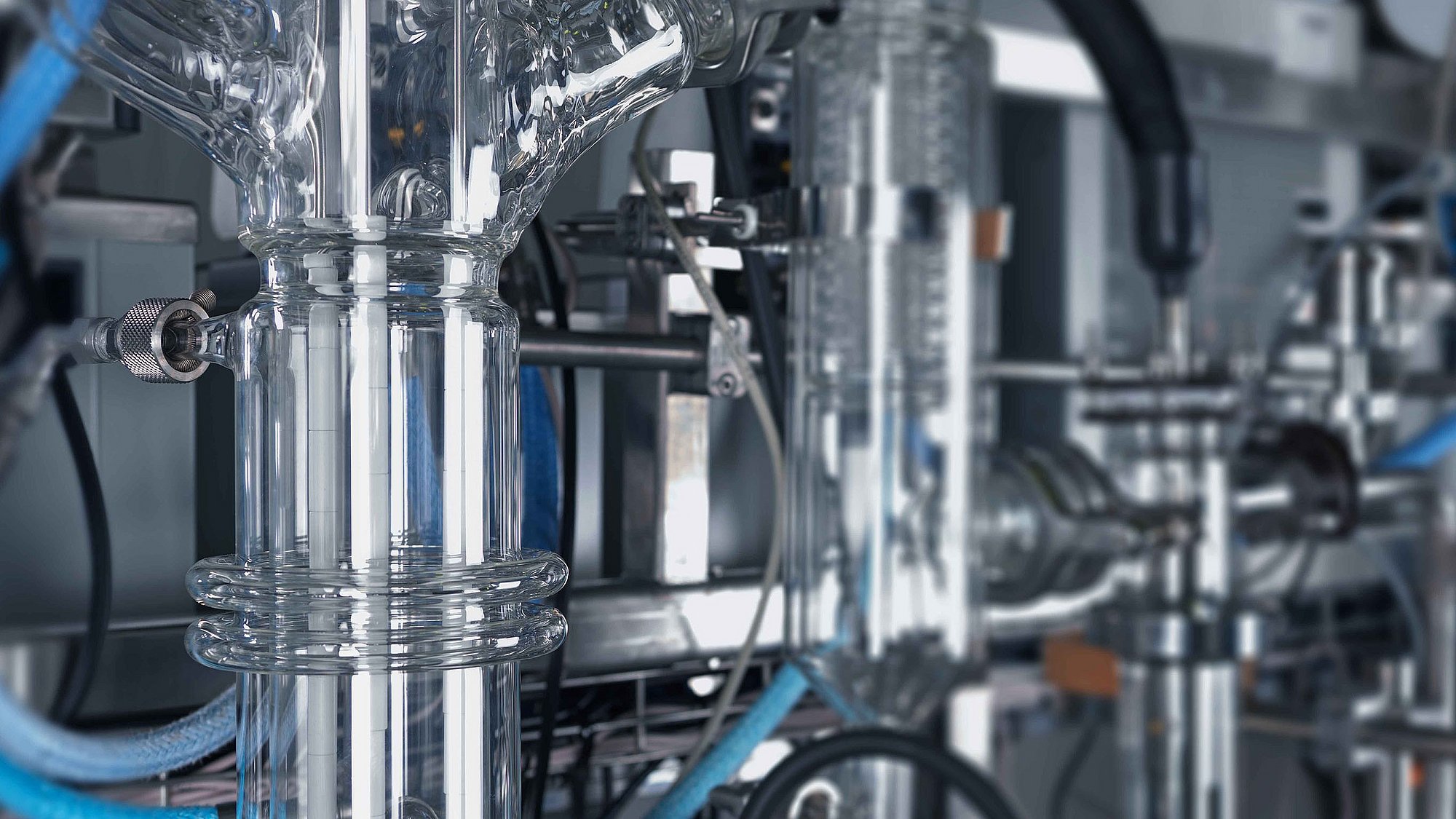
UIC Thin Film or Wiped Film distillation and Short Path distillation are used in numerous industries. Both are continuous distillation technologies. Thanks to short residence times - and thus low thermal load of the valuable product - as well as low process pressures and correspondingly low process temperatures, they enable the gentle separation of liquid mixtures with high separation efficiency.
With our decades of experience in the field of thermal separation of substances and the associated knowledge gained, we are able to offer and develop solutions for almost all distillation tasks.
Get to know possible fields of application with a selection of typical process solutions:
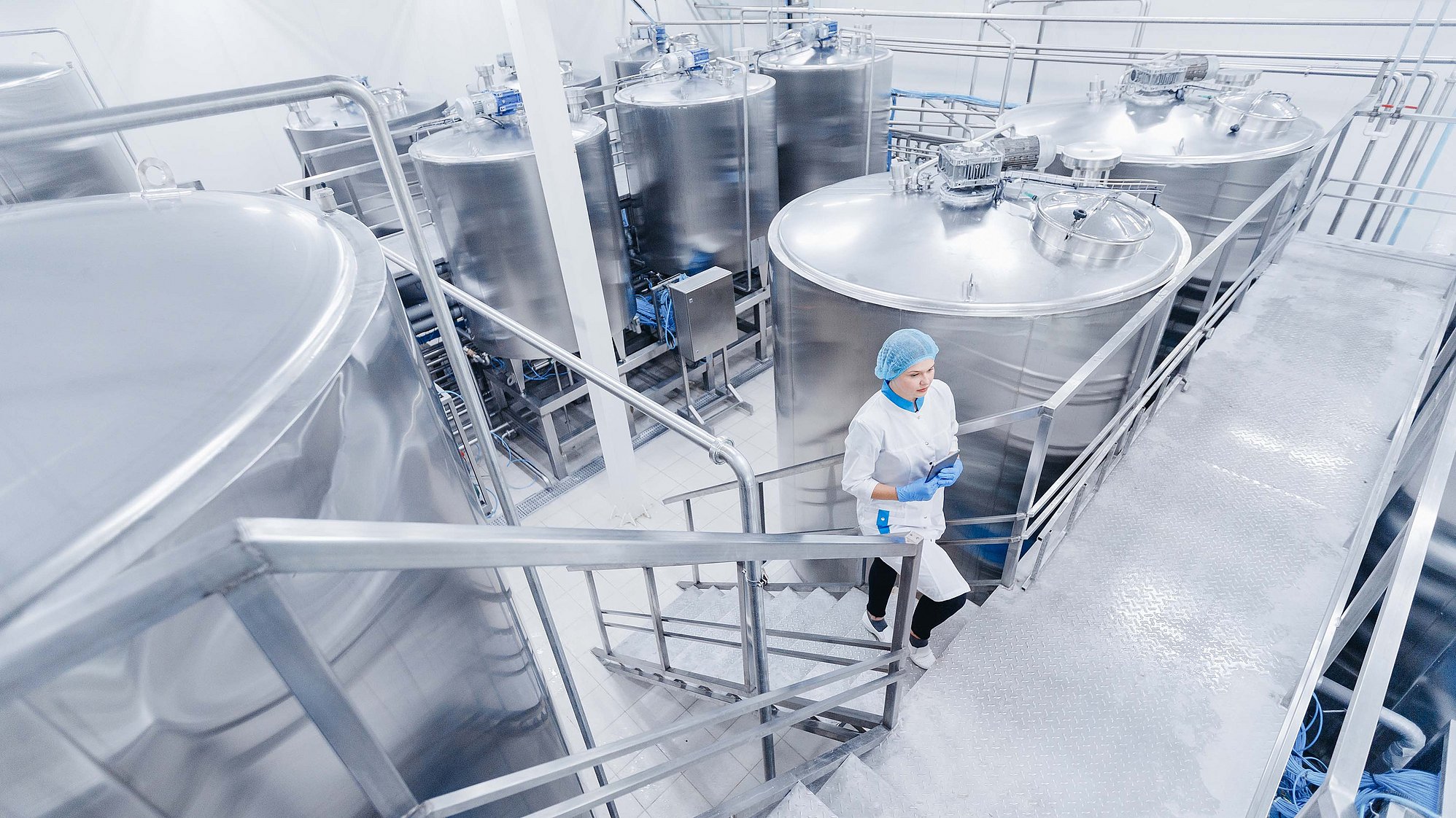

Thin Film distillation and Short Path distillation are widely used in the chemical industry for the separation and purification of complex and thermally sensitive mixtures of substances, such as in the separation of reaction mixtures or for the quality improvement of valuable products.

In the pharmaceutical industry, Thin Film distillation and Short Path distillation play a crucial role and are used in pharmaceutical related processes or in the production of precursors. Easy cleanability, low dead space design, appropriate surface roughness and use of approved materials of construction are some important features considered in the design phase of distillation equipment based on Good Manufacturing Practice (GMP) regulations, at UIC. Validated plant technology and appropriate documentation are essential in the pharmaceutical industry. In addition, a hazardous area (per ATEX or NEC) compliant design of the plant is often required.

Food products or food supplements often contain natural or synthetic additives to improve the product properties. In addition to flavorings and sugar derivatives, these include various emulsifiers (monoglycerides, diglycerides), antioxidants and physiologically active substances such as omega-3 fatty acid derivatives and vitamins. These thermally sensitive substances can be extracted or concentrated in a product-friendly manner by means of thin-layer and Short Path distillation.

The Thin Film and Short Path distillation is used, among other things, in the food, cosmetics and pharmaceutical industries to remove contaminants from fats, but to preserve important temperature-sensitive components such as carotenoids and micronutrients such as vitamins and omega fatty acids. This improves quality and, if necessary, extends shelf life.

Polymers are directly produced from monomers or via the intermediate step of pre-polymers. Their quality and quantity are of decisive importance for the resulting polymer, whose individual properties are directly related to this. These properties can be well influenced by single or double-stage Short Path distillation. For this purpose, for example, the monomers are distilled to obtain very pure quality monomers, or, after the formation of pre-polymers, the excess monomers are removed down to minimal residual contents.

Recycling of valuable materials is becoming increasingly important from both a technical and economic perspective.
UIC's thin-film and short-path distillation separates recycled material streams based on boiling point and delivers the recovered fractions to further use with the purity required for the specific process. Depending on the feedstock and process design, this allows a portion of the virgin material that would otherwise be required to be replaced with recovered material. At the same time, the reprocessing of waste products reduces disposal costs.

Flavors and fragrances are highly sensitive substances. The smallest changes in composition, molecular structure or decomposition can result in a completely different aroma and odor. This usually must be prevented during processing. This effect is explicitly desired, for example to remove bitter substances.
This is precisely why the particularly gentle separation of thermally sensitive mixtures of substances using Thin Film and Short Path distillation is ideal for flavors and fragrances.